How Locals Live: Phnom Penh
Beyond the temples and tourist trails. A local's guide to Cambodia's vibrant capital city.
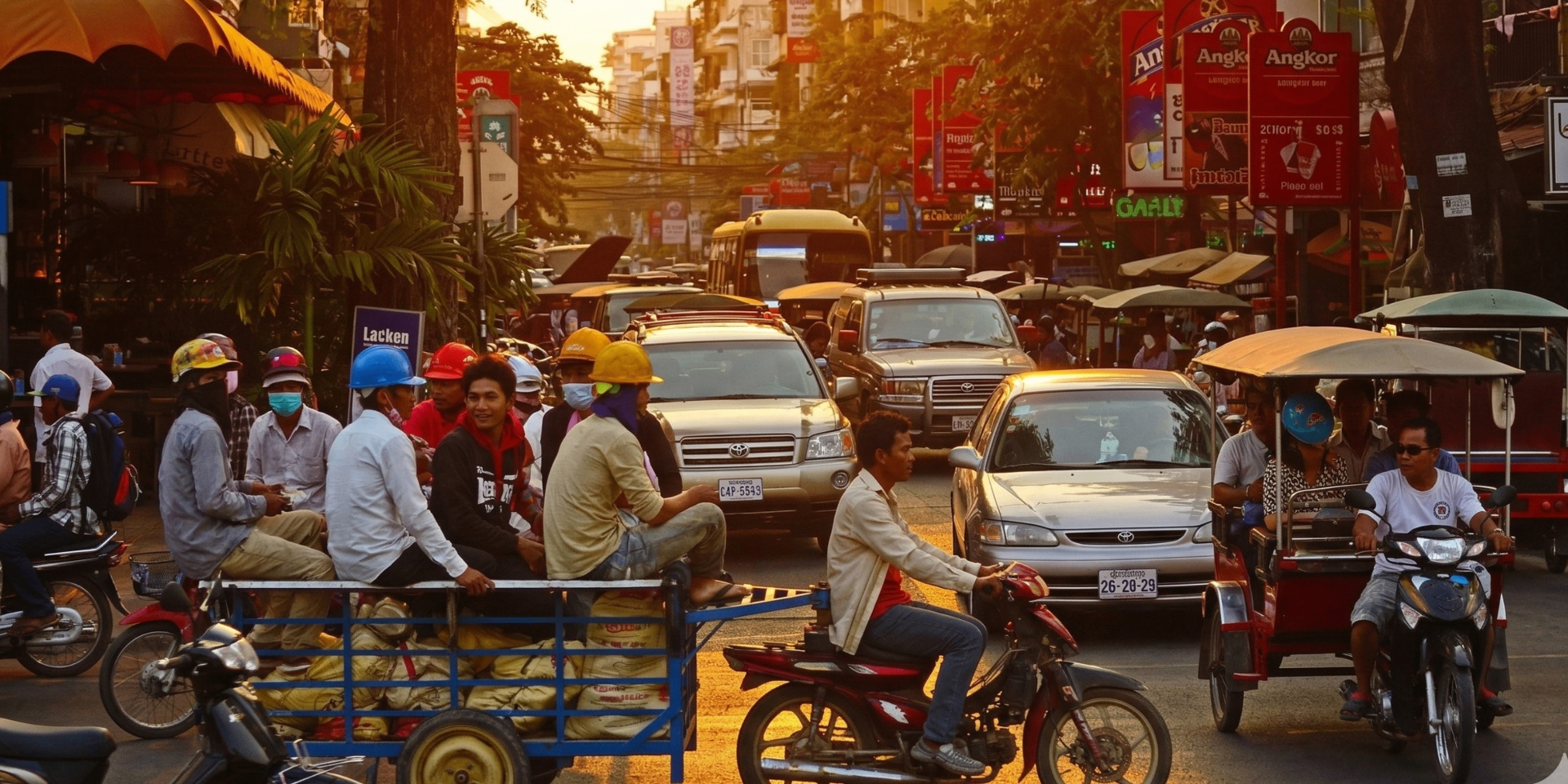
Phnom Penh is a city of contrasts - French colonial architecture alongside modern high-rises, ancient pagodas next to buzzing coffee shops, and quiet riverside mornings that give way to vibrant nights. To understand the city, you need to see how locals actually spend their days.
Morning Routines
Phnom Penh wakes up early. By 5:30am, the streets are alive with activity. Locals gather at open-air markets like Orussey Market and Kandal Market to buy fresh produce - still-warm baguettes, tropical fruits, and freshly caught fish from the Mekong. Street vendors serve kuy teav, Cambodia's beloved breakfast noodle soup, from steaming pots on the pavement. A bowl costs around 6,000–8,000 riel (roughly $1.50–2 USD).
Many locals start their day with iced coffee from one of the city's countless street carts. Cambodian coffee is strong, sweet, and served over ice with condensed milk - the perfect fuel for the tropical heat.
The Riverside
Sisowath Quay, the riverfront promenade, is the heart of daily life. In the early morning and late afternoon, you'll find locals exercising - aerobics classes spring up spontaneously along the waterfront, with groups of all ages following instructors and portable speakers. It's free, communal, and wonderfully chaotic.
The riverside is also where you'll find some of Phnom Penh's best street food in the evening. Grilled corn, fresh sugarcane juice, and num krok (coconut rice cakes) are popular snacks while watching the sunset over the Tonle Sap river.
Neighbourhood Life
Beyond the tourist centre, Phnom Penh's neighbourhoods each have their own character. Boeung Keng Kang (BKK) is the expat-friendly area with cafés, co-working spaces, and international restaurants. Toul Tom Poung (known as "Russian Market" area) is where locals shop for everything from electronics to fabrics at market prices.
For a more local experience, head to Chbar Ampov across the Monivong Bridge. This rapidly developing area gives you a glimpse of everyday Cambodian life - local eateries, family-run shops, and pagodas that serve as community gathering points.
Pagodas & Community
Buddhist pagodas aren't just places of worship - they're the centre of community life. Locals visit regularly to pray, make offerings, and socialise. Wat Phnom, the city's namesake temple on a small hill, is a popular spot for morning prayers. Wat Langka near Independence Monument hosts meditation sessions that welcome visitors.
During Buddhist holidays, pagodas transform into festive gathering places with food, music, and ceremonies. If your visit coincides with Pchum Ben (Ancestors' Day) or Khmer New Year, you'll experience the city at its most vibrant.
Evening & Night
As the heat fades, the city comes alive in a different way. Families gather at public parks - Hun Sen Park and the area around the Royal Palace are popular spots for evening walks. Street food stalls multiply, and the night markets at Phsar Reatrey and along the riverfront draw crowds looking for bargains and snacks.
For something more modern, Phnom Penh's café culture is booming. Local chains like Brown Coffee and Amazon are packed with young Cambodians working on laptops, studying, or catching up with friends over iced drinks that cost around $2–3.
Quick Tips for Visiting Phnom Penh
- Best time to visit: November to February for cooler, dry weather.
- Getting around: Tuk-tuks and ride-hailing apps (Grab, PassApp) are the easiest options.
- Dress code: Cover shoulders and knees when visiting pagodas. Otherwise, light, breathable clothing is fine.
- Language: Khmer is the main language. English is widely spoken in tourist areas and by younger generations.
- Currency: Bring small US dollar bills ($1, $5). Change for dollar purchases is often given in riel.