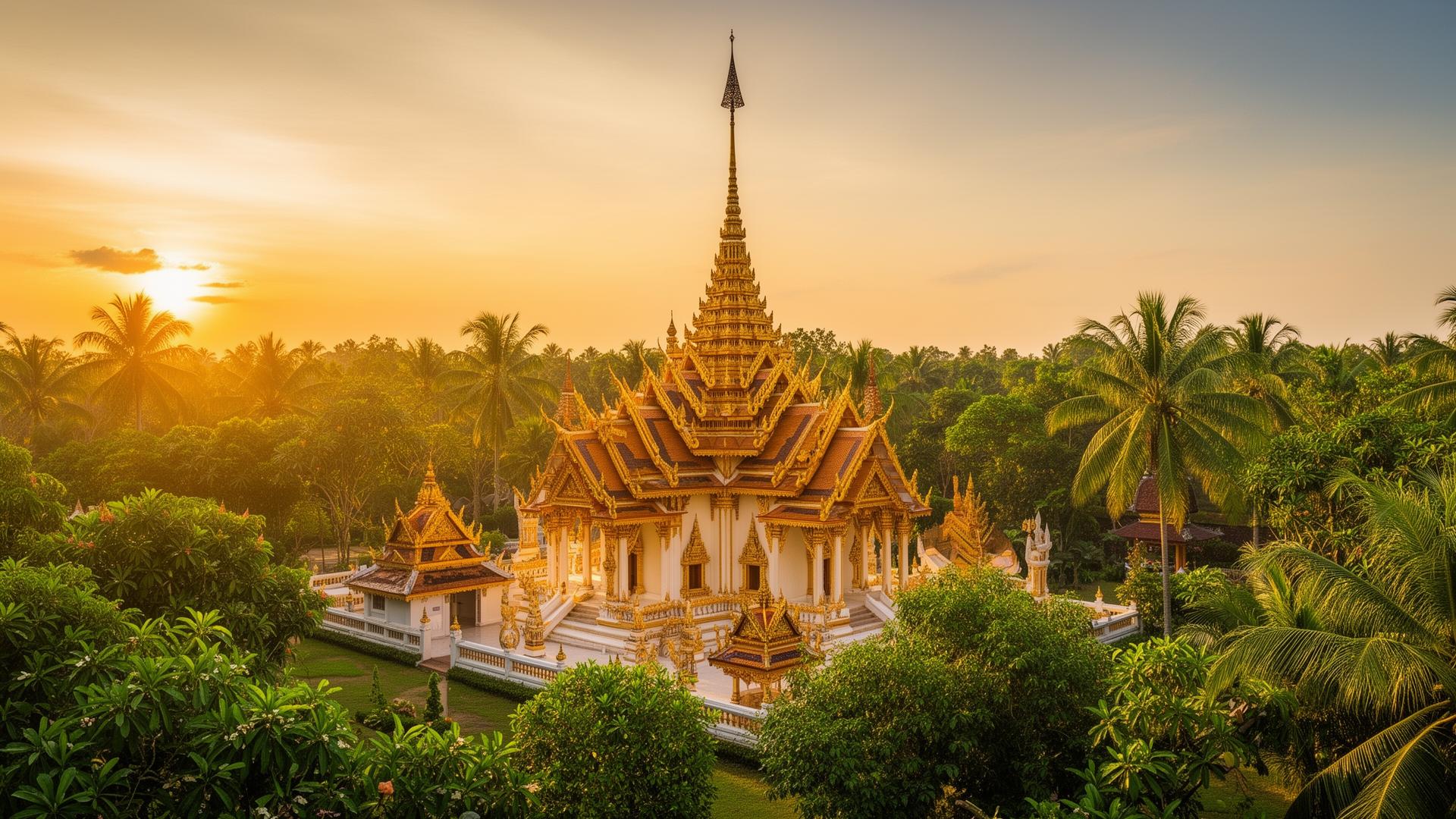
Southeast Asia is home to some of the world's most stunning temples - from the golden spires of Bangkok to the ancient stone corridors of Angkor Wat. These are living places of worship, not museum exhibits. Understanding how to behave inside them isn't just polite - it's essential.
Whether you're visiting a Buddhist wat in Thailand, a Hindu kovil in Singapore, or a Confucian temple in Vietnam, the same core principles apply: dress modestly, act respectfully, and observe before you participate. This guide covers the practical rules every traveller should know before stepping through a temple gate.
The Universal Rules
Across every country and religion in Southeast Asia, four rules are almost always non-negotiable. Learn these and you'll be welcomed at any temple in the region.
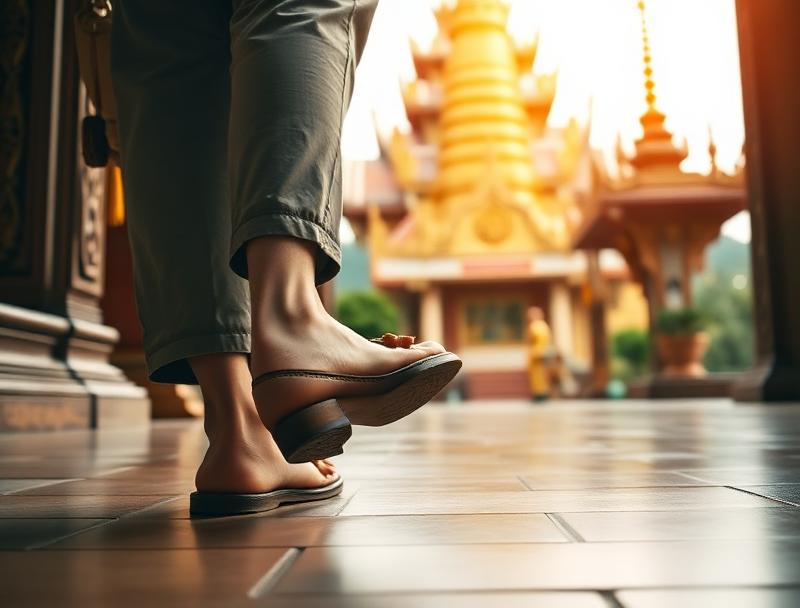
Remove your shoes
Always remove footwear before entering a temple's main hall or prayer area. Look for rows of shoes near the entrance - that's your cue. Wear slip-on sandals to make this easy.
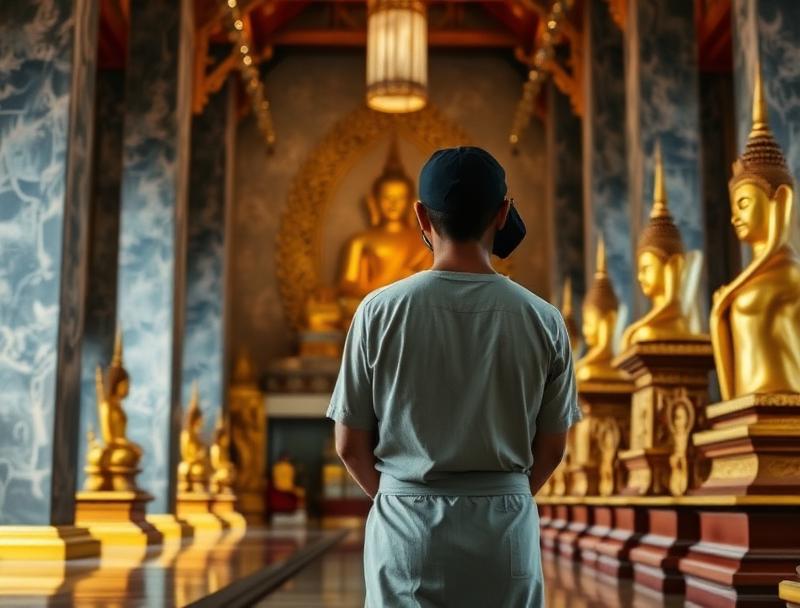
Dress modestly
Cover your shoulders and knees. Avoid sleeveless tops, shorts, and see-through clothing. Many temples lend sarongs or shawls at the entrance, but bringing your own is more reliable.
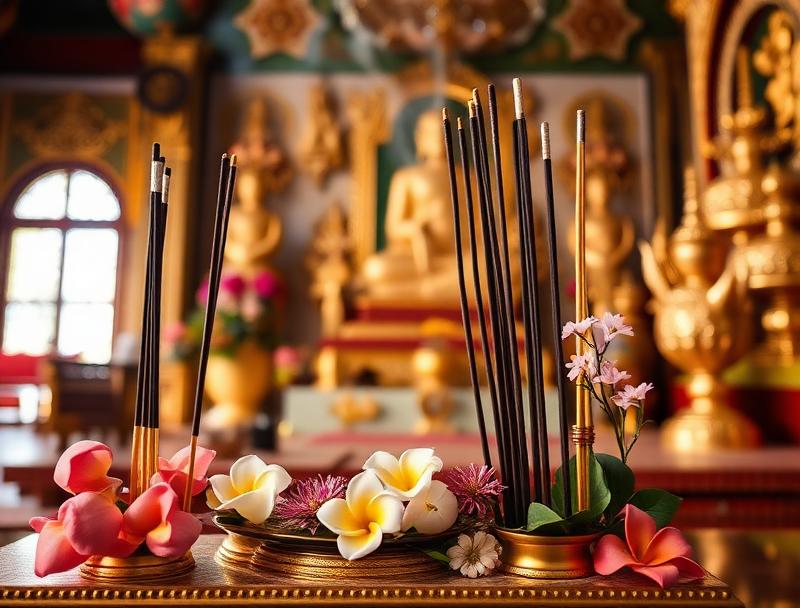
Respect offerings and altars
Never touch, move, or sit on offerings, statues, or sacred objects. If you wish to make an offering, ask a local or temple staff for guidance - incense, flowers, and candles are common.
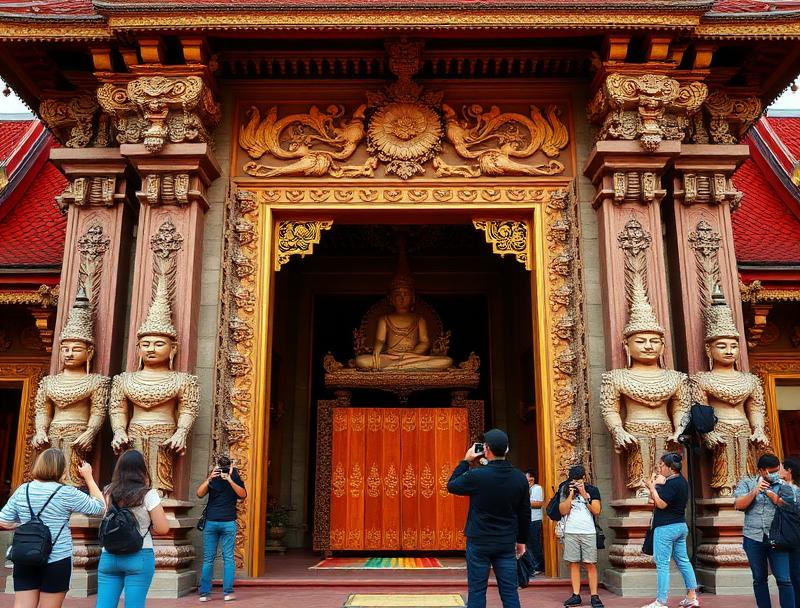
Ask before photographing
Photography rules vary by temple. Some ban photos inside prayer halls entirely; others allow them without flash. Look for posted signs, and never photograph monks or worshippers without permission.
Do's and Don'ts Inside Temples
Beyond the basics, certain behaviours can mark the difference between a respectful visitor and an oblivious tourist. These small gestures show awareness of the culture around you.
Sit with your feet tucked under you or crossed - never pointing at a Buddha statue
Point your feet toward sacred objects, monks, or other people
Walk clockwise around stupas and shrines (follow the local direction)
Turn your back to a Buddha image while taking photos
Speak quietly and silence your phone inside temple grounds
Use temples as a backdrop for overly casual or irreverent poses
Stand or step aside if monks are walking past - they have right of way
Touch a monk, especially if you are a woman (in Theravada traditions)
Accept blessings graciously - a slight bow with palms together is appropriate
Step on the threshold of a temple door (it's considered disrespectful in Thai tradition)
Country-by-Country Temple Guide
While the universal rules always apply, each country has specific customs and notable temples worth knowing about. Here's what to expect in the region's most-visited destinations.
🇹🇭 Thailand
Wat Phra Kaew (Temple of the Emerald Buddha)
BangkokStrict dress code enforced at the gate. No shorts, tank tops, or open-toe shoes. Sarongs are available for rent.
Wat Pho
BangkokHome to the Reclining Buddha. Remove shoes before entering the main hall. Keep feet pointed away from the statue.
Wat Chedi Luang
Chiang MaiMonk Chat sessions available - a rare opportunity to speak directly with Buddhist monks.
🇰🇭 Cambodia
Angkor Wat
Siem ReapShoulders and knees must be covered. Dress code is checked at the upper galleries. Sunrise visits are busiest - arrive early.
Bayon Temple
Angkor Thom, Siem ReapThe famous face towers are sacred. Refrain from climbing on carved surfaces or touching the stone faces.
Silver Pagoda
Phnom Penh Royal PalaceShoes off before entering. Photography of the interior is generally not allowed.
🇻🇳 Vietnam
Temple of Literature
HanoiA Confucian temple - quieter and more scholarly. Respect the stele and courtyard areas.
Thien Mu Pagoda
HueAn active monastery. Keep voices low and avoid disrupting monks during prayers.
Cao Dai Holy See
Tay NinhUnique syncretic religion. Visitors watch prayer ceremonies from the balcony - do not enter the main floor during worship.
🇸🇬 Singapore
Buddha Tooth Relic Temple
ChinatownFree sarongs and shawls at entrance. Photography allowed in most areas but not in the relic chamber.
Sri Mariamman Temple
ChinatownSingapore's oldest Hindu temple. Remove shoes at the entrance. Small photography fee may apply.
Sultan Mosque (Masjid Sultan)
Kampong GlamNon-Muslims may visit outside prayer times. Robes provided at entry for those not dressed modestly.
What to Bring
- • A light scarf or sarong - doubles as a shoulder cover, knee wrap, or head covering depending on the temple
- • Slip-on shoes - you'll be removing and putting them on frequently
- • A small bag - some temples require you to carry your shoes inside
- • Sunscreen and water - many temple complexes involve long walks in open sun
- • Small cash or QR wallet - for donations, offerings, or entrance fees
When to Visit
Early morning is the best time to visit most temples - the light is beautiful, crowds are thinner, and you may witness monks collecting alms or performing morning chants. Avoid visiting during active prayer or ceremony times unless you're prepared to sit quietly and observe.
Major Buddhist holidays (such as Vesak, Makha Bucha, and Asanha Bucha) bring larger crowds and special ceremonies. These can be wonderful to experience, but expect restricted access to certain areas.
Visiting temples in Southeast Asia is one of the most rewarding travel experiences the region offers. A little preparation and a respectful attitude go a long way - not just in following rules, but in connecting with the culture, history, and spirituality that make these places extraordinary.